

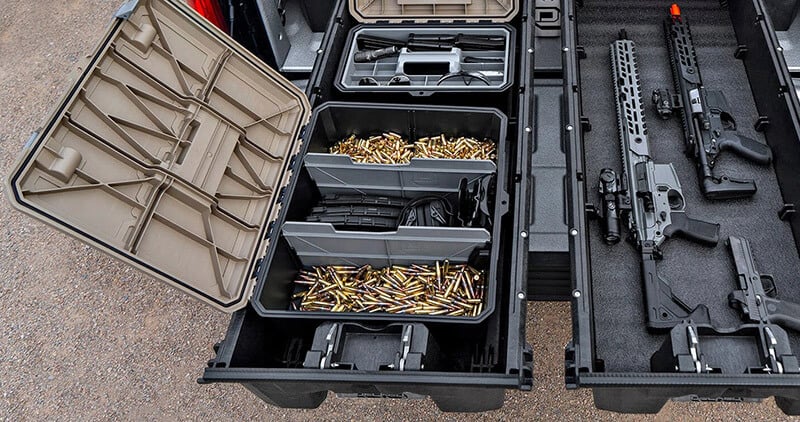
Proper ammunition storage is crucial for safety, longevity, and performance. Whether you are a seasoned shooter or a casual enthusiast, understanding how to store ammunition correctly can prevent accidents and preserve the quality of your rounds. In this blog post, we will explore best practices for storing ammunition safely.
1. Choose the Right Environment
Temperature Control
Ammunition should be stored in a cool, dry place. High temperatures can cause the propellant to degrade, affecting performance. Ideally, keep your ammunition between 60°F and 70°F (15°C to 21°C).
Humidity Levels
Moisture can lead to corrosion and deterioration. Aim for a humidity level below 50%. Using silica gel packets or dehumidifiers can help maintain a dry environment.
2. Use Proper Containers
Ammunition Boxes
Store ammunition in original packaging or dedicated ammunition boxes. These containers are designed to protect ammo from physical damage and environmental factors.
Metal vs. Plastic
While both materials can be effective, metal cans provide better protection against moisture. If using plastic, ensure it’s high-quality and airtight.
3. Organize Your Ammunition
Labeling
Clearly label your ammunition containers with the caliber, type, and quantity. This will help you quickly find what you need and keep track of your inventory.
Segregation
Separate different types of ammunition (e.g., FMJ, HP, shotgun shells) to avoid confusion and ensure you are using the correct rounds for your firearms.
4. Secure Storage Locations
Lockable Cabinets
Store ammunition in a lockable cabinet or safe, especially if children or unauthorized persons have access to your home. This adds an additional layer of safety.
Avoid Fire Hazards
Keep ammunition away from heat sources, flames, and any materials that could ignite. Avoid storing ammo in attics or garages where temperatures can fluctuate significantly.
5. Regular Inventory Checks
Routine Inspections
Perform regular checks on your ammunition supply to ensure that it remains in good condition. Look for signs of corrosion, damage, or degradation.
Rotate Stock
Use the “first in, first out” method to ensure older ammunition is used first. This practice helps prevent long-term storage issues.
6. Handling Precautions
Always Follow Safety Guidelines
When handling ammunition, always treat it with respect. Follow the basic rules of firearm safety, including keeping the muzzle pointed in a safe direction and keeping your finger off the trigger until ready to shoot.
Use Clean Hands
When handling ammunition, ensure your hands are clean and free of oils or moisture that could affect the rounds.
Conclusion
Storing ammunition safely is essential for both safety and performance. By following these best practices, you can ensure that your ammunition remains in optimal condition while minimizing risks. Remember, safe storage not only protects your investment but also contributes to safer shooting experiences.
Stay informed, stay safe, and enjoy your shooting activities responsibly!
Awesome! Its genuinely remarkable post, I have got much clear idea regarding from this post